
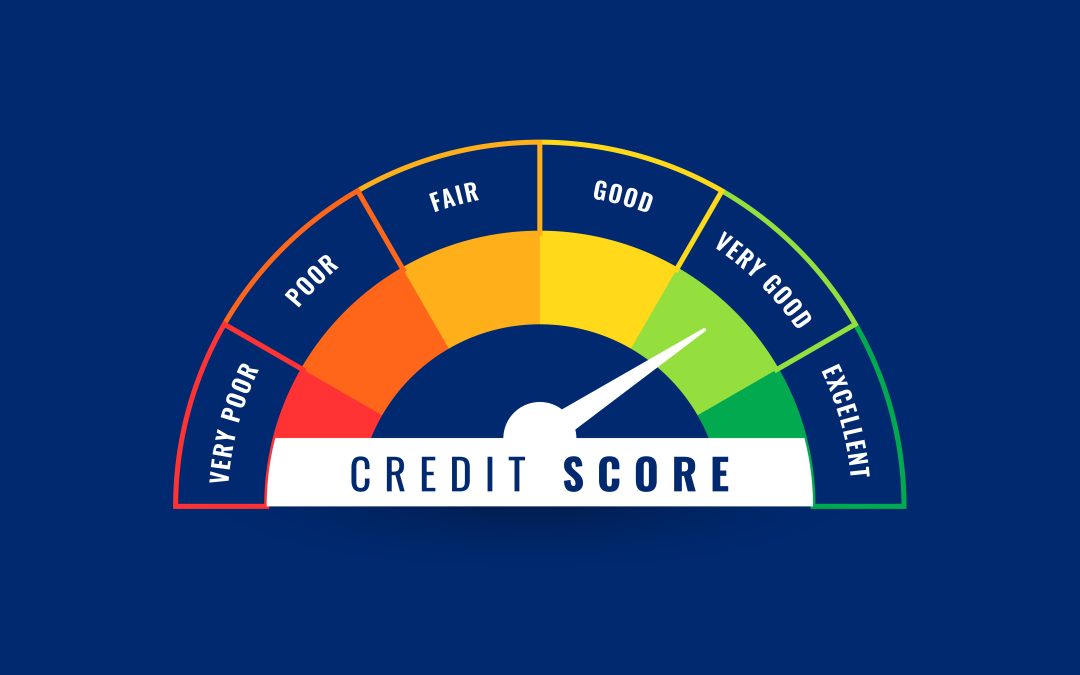
Your credit score is more than just a number; it’s the key to securing loans, getting better interest rates, and building financial freedom. Yet many people don’t fully understand what affects their credit score or how to improve it.
In this guide, we’ll break down the five main credit score factors, explain how each one is calculated, and share practical tips to boost your score. Plus, we’ll include helpful resources from Legacy Financial to guide you on your journey to stronger credit health.
Why your credit score matters
A credit score isn’t just for getting approved for a credit card; it impacts major financial milestones such as buying a home, leasing a car, or qualifying for a personal loan.
A higher score often means:
- Lower interest rates, which save you money long-term
- Higher approval chances for loans or lines of credit
- Better financial flexibility in case of emergencies
But how is your score determined? Let’s explore the factors that matter most.
The 5 key credit score factors
1. Payment history (35% of your score)
Your payment history is the single biggest factor affecting your credit score. Lenders want to see that you can pay your bills on time, whether it’s a credit card, mortgage, or personal loan.
- Why it matters: Late payments, missed payments, or defaults signal risk to lenders and can significantly lower your score.
- What to do:
- Set up automatic payments or reminders for due dates.
- Catch up on past-due accounts as quickly as possible.
- Keep your record clean; negative marks can stay on your report for up to seven years.
Need help managing overdue balances? Check out our blog on How to Get Out of Credit Card Debt Faster for practical repayment strategies.
2. Credit utilization (30% of your score)
Credit utilization refers to how much of your available credit you’re using compared to your credit limit. Ideally, you should use less than 30% of your total available credit to maintain a healthy score.
- Example: If you have a $10,000 credit limit, aim to keep your balance under $3,000.
- Why it matters: High utilization signals to lenders that you may be financially stretched.
- What to do:
- Pay down balances before the statement date, not just the due date.
- Ask for a credit limit increase (without increasing spending).
- Spread out expenses across multiple cards to keep balances low.
Want to understand how interest impacts your balance? Read our blog Credit Card Interest vs. Minimum Payments, for insights.
3. Length of credit history (15% of your score)
The longer your accounts have been open, the better. Credit scoring models look at the age of your oldest account, the average age of all accounts, and how long specific accounts have been active.
- Why it matters: A longer credit history gives lenders more data on your borrowing habits.
- What to do:
- Keep old accounts open, even if you don’t use them often.
- Avoid closing credit cards unless necessary; it can shorten your history and hurt your score.
- Be patient, credit age grows over time.
4. Credit mix (10% of your score)
Your credit score also benefits from having a variety of credit types, such as credit cards, auto loans, student loans, or mortgages. A diverse mix shows you can handle different kinds of debt responsibly.
- Why it matters: Lenders prefer borrowers with proven experience across various credit products.
- What to do:
- Don’t open a new credit just for the sake of mix.
- If you only have credit cards, consider a small personal loan to diversify.
- Manage each account responsibly to avoid adding risk.

For insights on using loans wisely, check out Debt Relief Options for strategies that align with your credit goals.
5. New credit inquiries (10% of your score)
Every time you apply for a loan or credit card, the lender performs a “hard inquiry” on your credit report. Too many hard inquiries in a short period can temporarily lower your score.
- Why it matters: Multiple applications may suggest financial instability.
- What to do:
- Space out credit applications to minimize impact.
- Shop for loans within a short window (14-45 days) for group inquiries.
- Only apply when necessary, not for every promotional offer.
Additional tips to strengthen your credit score
Improving your credit score is a long-term effort, but small steps can make a big impact. Consider:
- Paying more than the minimum balance to reduce debt faster.
- Creating an emergency fund to avoid relying on credit for unexpected expenses.
- Exploring payoff strategies like the Debt Snowball vs. Debt Avalanche Method to manage repayment effectively.
How long does it take to see results?
Improving your score won’t happen overnight. Positive changes, like paying down credit card balances or bringing accounts current, may reflect in a month or two. However, rebuilding from serious damage like defaults or bankruptcies can take years.
Consistency is key; maintaining good habits ensures long-term financial stability and a healthier credit profile.
Legacy Financial: Your partner in building stronger credit
At Legacy Financial, we understand that your credit score affects your financial opportunities. Whether you’re looking to reduce debt, explore ways to settle credit card debt, or learn smarter repayment strategies, we’re here to guide you.
With expert resources, personalized support, and proven debt relief options, our goal is to help you take control of your financial future.

Connect with us
Visit us at legacyfinancialnow.com or follow us for more tips on social media!